By Johnson Dairo Daniel
BoldNEWS Africa
Culture | Tradition | Heritage
SAGAMU, OGUN STATE
The annual Odun Ifá celebration of Awo Imule Ogboni has once again highlighted the enduring relationship between spirituality, cultural identity and the preservation of indigenous heritage, bringing together members of the traditional institution to celebrate their ancestral roots and reaffirm their commitment to sustaining cultural values.
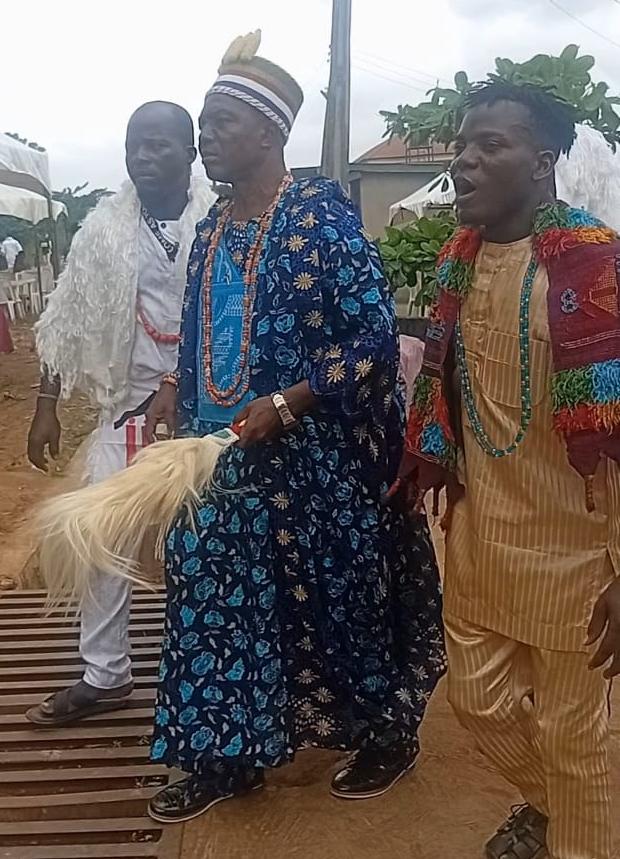
On September 26, members of Awo Imule Ogboni gathered at the residence of Oba Ifagunwa Ademola, the King of Awo Imule Ogboni worldwide, in Sagamu, Ogun State, for the celebration.
BoldNEWS Africa was at the event.
The celebration provided an opportunity for members from different locations to express their spiritual convictions, honour their ancestral heritage and strengthen their collective commitment to preserving traditional customs and communal values.
Speaking with journalists at the event, Oba Ifagunwa Ademola, who is the fourth king in the history of Awo Imule Ogboni, outlined the institution’s historical position and its relationship with the wider Ogboni tradition.
According to him, Awo Imule Ogboni represents the original Ogboni institution and possesses the traditional authority to maintain a kingship structure, a distinction he said sets it apart from other Ogboni groups.
The monarch explained that the annual Odun Ifá celebration traditionally takes place on the last Sunday of September, providing an opportunity for traditional worshippers to gather in appreciation of divine blessings and offer prayers for the continued protection of their lives and property.
He emphasised that the festival remains an important expression of the institution’s historical identity and its determination to preserve the customs, beliefs and cultural practices associated with its heritage.
Oba Ademola also underscored the importance of intergenerational participation in sustaining the institution, noting that the involvement of younger members brings fresh energy and renewed commitment to the preservation of its traditions.
He said encouraging young people to participate in the activities of Awo Imule Ogboni would help strengthen their understanding of ancestral heritage, cultural identity and communal responsibilities.
According to the monarch, the active participation of younger generations is essential to ensuring that the institution’s inherited traditions remain relevant and are transmitted to future generations.
His remarks placed particular emphasis on the need to bridge the generational gap in cultural knowledge, ensuring that traditional practices are not only celebrated but also understood and preserved by those who will carry them forward.
Odun Ifá is rooted in the traditional system of divination, wisdom and spiritual knowledge. For its adherents, the annual festival provides an opportunity to reflect on inherited customs, renew their connection with traditional values and sustain practices passed down through generations.
Ifá occupies a significant place in African traditional religion and philosophy. Through its extensive corpus of oral literature, verses, interpretations and teachings, it preserves knowledge concerning human conduct, relationships, destiny and the responsibilities individuals owe their families and communities.
Transmitted across generations by trained practitioners, this body of knowledge remains an important component of African cultural heritage, particularly among Yoruba-speaking communities.
Beyond its spiritual significance, the celebration of Odun Ifá offers an opportunity to examine the relationship between indigenous knowledge, cultural identity and the preservation of traditional institutions in a rapidly changing society.
For adherents, the festival is not merely a ceremonial gathering; it is also an expression of continuity, collective identity and the enduring relevance of ancestral knowledge.
The annual celebration also provides an opportunity to document participants’ experiences, preserve oral histories and deepen public understanding of the historical development and contemporary significance of Awo Imule Ogboni.
As with other indigenous institutions, the history, practices and organisational structures associated with Ogboni traditions may vary across communities.
As members of Awo Imule Ogboni celebrate their heritage, the gathering reinforces the importance of preserving indigenous cultural practices and transmitting their associated knowledge to future generations.
For BoldNEWS Africa, the celebration serves as a reminder that cultural heritage deserves sustained attention, responsible documentation and meaningful engagement with the people and institutions that keep these traditions alive.
© BoldNEWS Africa
About the Author