By Dairo Johnson Daniel
BoldNEWS Africa
Ijebu-Ode, Ogun State | May 19, 2028
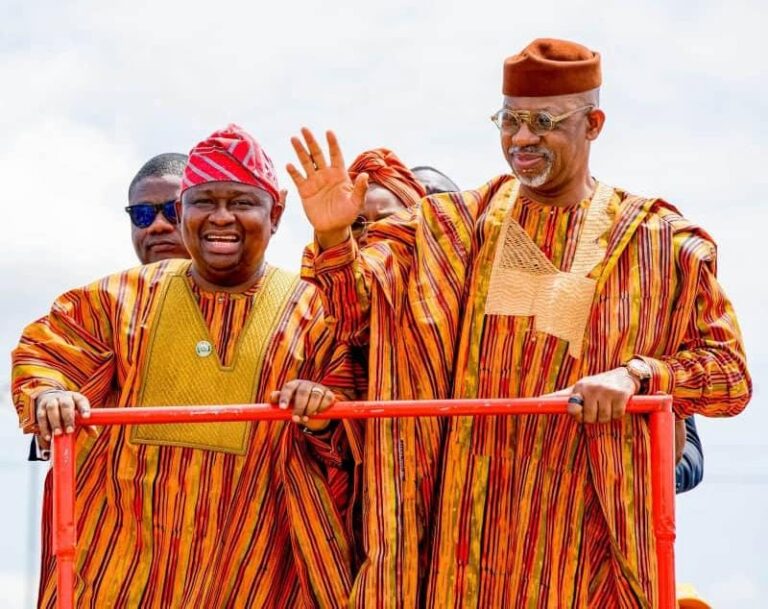
The recent boycott that trailed the Ogun East Senatorial primary election ahead of the 2027 general elections has stirred intense political debate across Ogun State. The exercise, which pitched supporters of former Governor Otunba Gbenga Daniel against loyalists of Governor Prince Dapo Abiodun, became historic not because of the contest itself, but because of the refusal of one camp to participate fully in the process.
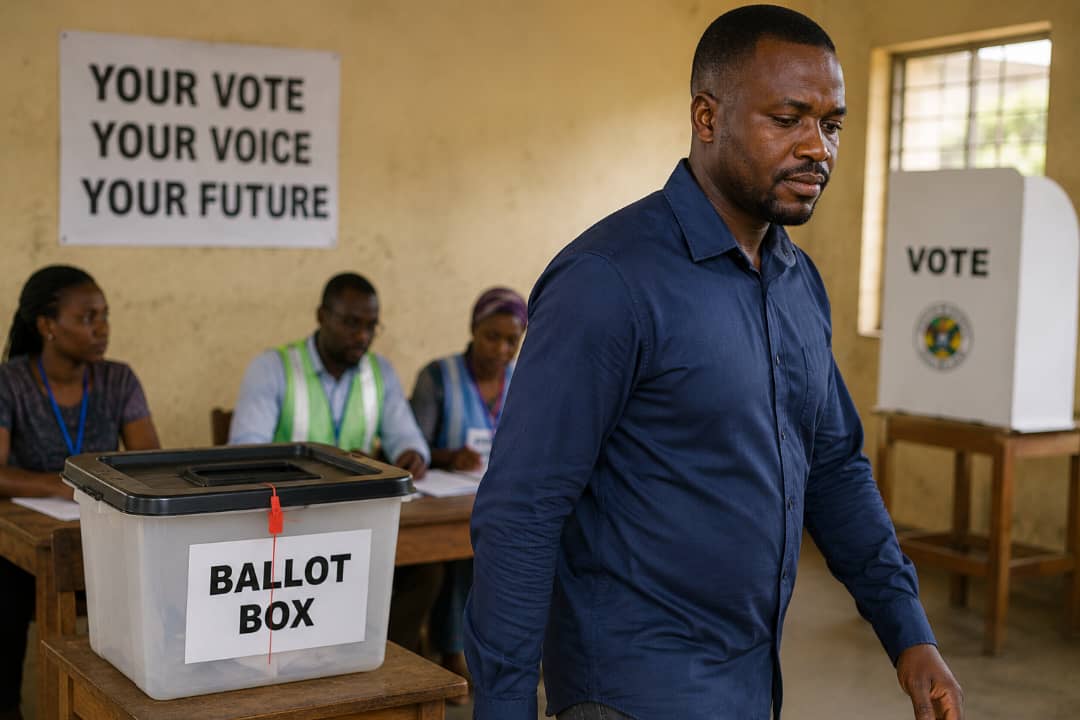
Elections remain the cornerstone of democracy. They provide citizens with the opportunity to choose their leaders, influence governance, and shape public policy. In every democratic society, political parties are expected to compete fairly, voters are expected to participate freely, and electoral outcomes are meant to reflect the genuine will of the people.
Yet, throughout history, elections have often been marred by boycotts from political parties, opposition groups, and even citizens. This recurring reality raises an important question: are election boycotts genuine protests against flawed democratic systems, or are they sometimes political strategies rooted in fear of defeat?
Historically, election boycotts have remained complex political actions with both positive and negative implications for democracy. On one hand, they can expose weaknesses within democratic institutions and draw attention to injustice, manipulation, intimidation, and electoral fraud. On the other hand, when deployed irresponsibly, boycotts can weaken democratic participation, reduce voter confidence, and deepen political instability. Democracy, after all, thrives on participation — not withdrawal.
It is clear that boycotting an election does not automatically halt the electoral process. Electoral bodies often proceed with elections regardless of withdrawals or protests. However, the consequences of such actions can be far-reaching. In Nigeria and many other democracies, election boycotts have historically contributed to low voter turnout, heightened political tension, legitimacy disputes, and, in some cases, prolonged constitutional crises. When citizens abandon the ballot box, democracy itself begins to lose strength.
At the heart of most election boycotts lies distrust. Elections are designed to represent the collective voice of the people, but that purpose is undermined when intimidation, violence, manipulation, or vote rigging become recurring features of the political process.
When voters begin to believe that electoral outcomes are predetermined or unfair, public confidence in democracy starts to collapse. Participation declines because many citizens no longer see elections as instruments of change, but rather as carefully managed exercises designed to protect entrenched political interests.
Election boycotts occur when political parties or citizens deliberately refuse to participate in an election as a form of protest. Rather than legitimising what they perceive as a compromised process, they stay away from the polls to express dissatisfaction with the system.
Across history, boycotts have often served as warning signs of weak democratic institutions and declining public trust in government. During apartheid in South Africa, for example, many Black South Africans rejected political structures that denied them equal representation and voting rights. Participating in such elections would have appeared to legitimise an unjust and discriminatory system.
Similarly, during periods of military rule in Nigeria, elections were frequently criticised for lacking transparency and credibility, leading many citizens to lose faith in democratic outcomes.
Another notable example occurred in Bangladesh in 2014, when the main opposition party boycotted the general election, insisting that the process could not be free or fair under the ruling administration. The outcome was marked by low voter turnout, numerous uncontested seats, and widespread criticism of the election’s legitimacy.
The boycott exposed the fragility of democratic trust and demonstrated how electoral withdrawal can deepen political division, turning elections into symbolic exercises rather than genuine expressions of the people’s will. In such environments, many citizens begin to believe that participation only strengthens a compromised system.
However, not all election boycotts are motivated purely by principle. In some instances, political parties withdraw because they fear defeat at the polls. Parties with declining popularity or weak grassroots support may avoid participation to escape public rejection or political embarrassment. Rather than accept possible defeat, they may accuse the electoral process of unfairness in an attempt to preserve their image and maintain influence among supporters.
There have been several cases where opposition parties announced boycotts shortly before elections after realising they were unlikely to secure victory. By refusing to participate, they later questioned the legitimacy of the results and attempted to weaken the authority of the eventual winner.
Critics argue that such actions can damage democracy because elections depend on competition, participation, and the willingness of political actors to respect outcomes — even when they lose.
Regardless of the motives behind them, election boycotts carry serious consequences. Low voter turnout weakens the legitimacy of elected leaders and erodes public confidence in democratic institutions. Boycotts can deepen political divisions, heighten tensions between ruling parties and opposition groups, and create an atmosphere of uncertainty within governance structures.
At the same time, election boycotts can also serve as powerful calls for electoral reform. By refusing to participate in flawed electoral systems, citizens and opposition groups can draw national and international attention to democratic failures. In some cases, sustained pressure from boycotts has forced governments to reform electoral laws, strengthen transparency, and improve democratic accountability.
Ultimately, election boycotts can arise from both distrust and fear of defeat.
In certain situations, they represent legitimate resistance against oppression, manipulation, and electoral injustice. In others, they reflect political calculation and an unwillingness to accept democratic outcomes.
Determining the true motive behind any boycott requires careful examination of the political environment, the credibility of electoral institutions, and the conduct of the political actors involved.
Election boycotts are more than acts of protest; they are warning signals that expose cracks within democratic systems and reveal the fragile relationship between governments, political parties, and the people.
History repeatedly demonstrates that when citizens lose faith in elections, democracy itself becomes endangered.
For democracy to survive and thrive, elections must not only be conducted; they must also be credible, transparent, inclusive, and trusted by the people. The integrity of the ballot must be protected, while political parties must demonstrate genuine commitment to democratic competition and respect for the will of the electorate.
Without public trust, participation declines. And without participation, democracy gradually loses both its meaning and legitimacy.
About the Author