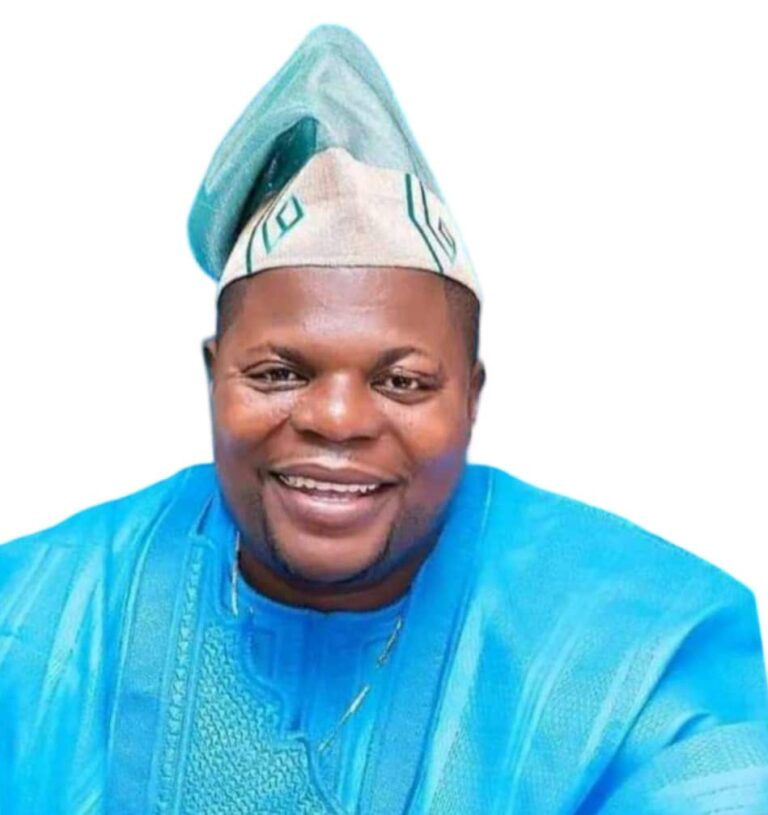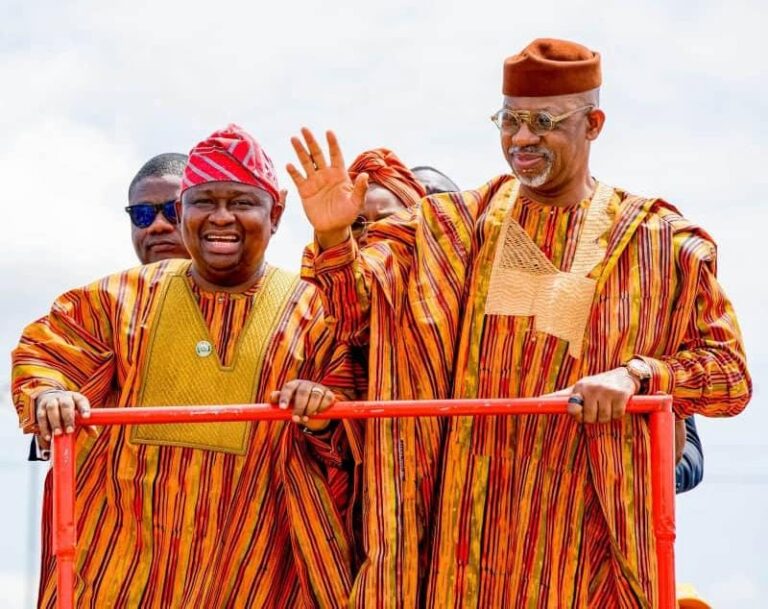
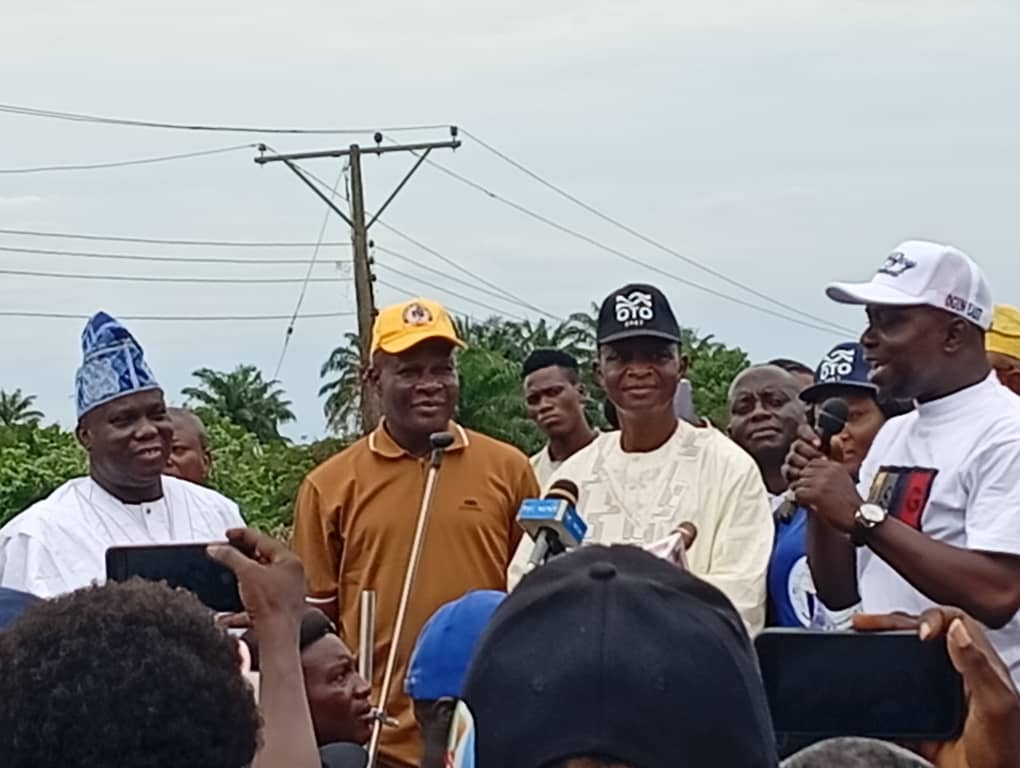
There is something deeply familiar—and deeply troubling—about the sudden political awakening of Otunba Tunji Oredipe.
It is the kind of emergence Nigerians have seen too many times: polished credentials, well-crafted speeches, and a carefully staged image of reform—masking what may ultimately be nothing more than a calculated bid for relevance in a crowded political marketplace.
The question is no longer who he is. The question is: what exactly is he here to do?
A Performance of Integrity
Oredipe wants to be seen as different. He speaks the language of honesty.
He presents himself as a man above the crude mechanics of Nigerian politics. At his declaration, he distanced himself from inducement politics, projecting moral superiority over the very system he seeks to enter.
But the reality on the ground tells a far less flattering story.
From meetings with labour leaders to grassroots mobilization efforts, the pattern is unmistakable: envelopes quietly distributed, financial “tokens” handed out, influence secured the old-fashioned way. This is not speculation—it is observation.
So what are we to believe?
The public declarations of purity—or the private choreography of patronage?
You cannot run on integrity while negotiating loyalty with cash.
That is not reform. That is hypocrisy with better branding.
Chaos in Place of Leadership
Even more alarming is the state of his campaign itself.
Before a single vote has been cast, before the real pressures of governance even begin, the operation is already showing cracks:
overlapping authorities, sidelined appointees, confused command structures.
A campaign with a Director General that cannot function independently.
A candidate forced to personally supervise basic logistics like food distribution and transportation.
This is not hands-on leadership—it is a failure to build systems.
And if this is the level of disorder at the micro level, Ogun State must ask itself a serious question:
Is this the man to manage a state of millions, industries, and competing interests?
Because governance is not a one-man show. And right now, that is exactly what this looks like.
Big Promises, Thin Substance
Like many before him, Oredipe has come armed with an expansive agenda—eight sweeping pillars touching every critical sector. It sounds impressive. It reads like a development manifesto.
But beneath the surface, it collapses into the same recycled promises Nigerians have heard for decades.
Agriculture.
Technology.
Youth empowerment. Infrastructure. Sustainability.
The words are right. The sequencing is neat. But the substance?
Painfully shallow.
There is little clarity on execution.
No hard trade-offs.
No acknowledgment of the political and economic constraints that define governance in Ogun State.
It is a technocrat’s wishlist—detached from the messy, brutal reality of Nigerian politics.
And Ogun does not need another wishlist. It needs a leader who understands power, not just policy.
The Slip That Says Everything
Then comes the most telling part—the quiet admission that, should the political winds not favor him, alignment with a stronger candidate remains an option.
That single notion dismantles the entire moral posture of this campaign.
Because it reveals what this may truly be: not a fight for leadership, but a negotiation strategy. Not a movement, but a calculated gamble—enter the race, build visibility, then trade relevance for appointment when the real contenders emerge.
It is a script Nigerians know too well.
And it is precisely why public trust in politics continues to erode.
A State Is Not a Stepping Stone
To be clear, Oredipe is not without credentials. His experience carries weight. His exposure is not in doubt.
But governance is not a CV competition.
It is a test of clarity, consistency, and courage.
And so far, what Ogun is being offered is a candidate who:
Says one thing and does another
Cannot yet manage his own political structure
Offers ambition without depth
And leaves open the door to political compromise at the highest level
This is not the profile of a reformer.
It is the profile of a political opportunist navigating his way into relevance.
Ogun Must Refuse This Cycle
The people of Ogun State must resist the temptation to be dazzled by language and late-stage enthusiasm.
Because the stakes are too high.
This election is not an experiment. It is not an audition.
And it is certainly not a bargaining table for those seeking entry into power through the back door.
Ogun does not need another candidate of convenience.
It needs conviction. It needs structure. It needs truth.
And above all, it needs leaders who are in the race to serve—not to negotiate their way into the system.
About the Author